
Minimally Invasive Surgery in Nagpur
Minimally Invasive Surgery (MIS), also known as Laparoscopic Surgery, has revolutionized modern healthcare by providing patients with quicker recovery, minimal scars, and reduced pain. This advanced form of surgery involves small incisions, specialized instruments, and a high-definition camera to perform complex procedures that once required large cuts. In Nagpur, the field of Minimally Invasive Surgery has gained exceptional momentum, especially under expert surgeons like Dr. Sushil Lohiya — one of the leading names in Laparoscopic and Bariatric Surgery.
Understanding Minimally Invasive Surgery
Minimally Invasive Surgery uses advanced technology such as laparoscopes and robotic systems to perform surgical procedures through tiny openings. The technique minimizes trauma to tissues, reduces hospital stays, and speeds up post-operative recovery. It is highly effective for Abdominal Surgery, Hernia Repair, Gallbladder Removal, GI Surgery, and Bariatric Surgery including Roux-en-Y Gastric Bypass (RYGB) and Gastric Balloon Insertion.
Conditions Treated with Minimally Invasive Surgery
Minimally Invasive and Laparoscopic Surgeries are used for a wide range of abdominal and gastrointestinal disorders. Some common conditions include:
- Gallstones – treated through Laparoscopic Gallbladder Removal.
- Appendicitis – managed by Laparoscopic Appendectomy.
- Hernia – repaired through Minimally Invasive Hernia Repair.
- Obesity and Metabolic Syndrome – treated with Bariatric Surgery or Weight Loss Surgery options like Gastric Bypass Surgery.
- GERD (Gastroesophageal Reflux Disease) – corrected through Anti-Reflux Surgery.
Symptoms Indicating the Need for Minimally Invasive Surgery
While symptoms vary based on the underlying condition, you may need Minimally Invasive Abdominal Surgery if you experience:
- Persistent or severe abdominal pain
- Indigestion, bloating, or acid reflux (common in GERD)
- Recurrent vomiting or nausea
- Visible swelling or bulge in the abdomen (hernia sign)
- Obesity-related complications such as diabetes, hypertension, or joint pain
Causes Leading to Surgical Intervention
Several lifestyle and physiological factors can lead to conditions requiring Laparoscopic or Bariatric Surgery:
- Unhealthy diet and sedentary lifestyle leading to Obesity and Metabolic Syndrome
- Gallstone formation due to high cholesterol or bile imbalance
- Weakened abdominal wall resulting in Hernia
- Chronic acid reflux causing GERD
- Inflammation or infection such as Appendicitis
Procedure of Minimally Invasive Surgery
In Minimally Invasive Surgery, the surgeon makes a few small incisions through which a camera (laparoscope) and instruments are inserted. The camera sends real-time images to a monitor, allowing the surgeon to perform delicate movements with precision. Depending on the condition, procedures like Laparoscopic Gallbladder Removal, Laparoscopic Appendectomy, or Gastric Bypass Surgery are performed.
For Bariatric Surgery (like Roux-en-Y Gastric Bypass or Gastric Balloon Insertion), the stomach’s size is reduced to limit food intake and improve metabolism. This method is highly effective for long-term Weight Loss and Metabolic Syndrome Treatment.
Benefits of Minimally Invasive Surgery
- Smaller incisions and minimal scarring
- Reduced post-operative pain
- Faster recovery and shorter hospital stays
- Lower risk of infection or blood loss
- Enhanced precision through high-definition visualization
Pre and Post Bariatric Surgery Care
Before undergoing Weight Loss Surgery or Bariatric Surgery, patients are advised to follow a Pre-Bariatric Surgery Diet to reduce liver size and optimize surgical outcomes. Post-surgery, a structured Long-term Bariatric Care plan ensures gradual weight loss, improved health, and sustained results. Regular follow-ups at an Obesity Clinic help monitor recovery and prevent nutritional deficiencies.
Why Choose Minimally Invasive Surgery in Nagpur?
Nagpur has emerged as a center for advanced Laparoscopic and Bariatric Surgery with access to cutting-edge technology and expert surgeons. Patients benefit from personalized treatment, faster recovery, and comprehensive post-operative support at reputed Hospitals for Bariatric Surgery and Obesity Clinics.
About Dr. Sushil Lohiya
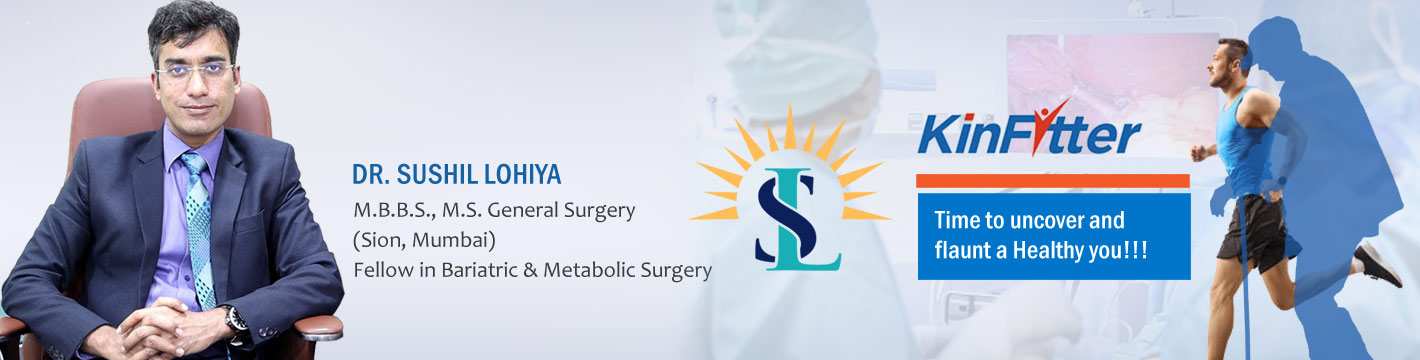
Dr. Sushil Lohiya, M.S. (General Surgery), Fellow in Bariatric & Metabolic Surgery, is a renowned Laparoscopic and Bariatric Surgeon in Nagpur. With years of experience in performing advanced Minimally Invasive Surgeries, he specializes in Weight Loss Surgery, Gastric Bypass, Hernia Repair, and GI Surgery. Dr. Lohiya’s expertise ensures precision, safety, and exceptional patient outcomes, making him one of the Best Bariatric Surgeons in Nagpur.
Frequently Asked Questions (FAQs)
Q1. What is the difference between traditional and minimally invasive surgery?
A. Traditional surgery involves large incisions, while Minimally Invasive Surgery uses small cuts with advanced tools, resulting in quicker healing and less pain.
Q2. How long does it take to recover from laparoscopic surgery?
A. Most patients recover within a few days to a week, depending on the type of surgery and individual health conditions.
Q3. Is bariatric surgery suitable for everyone?
A. Bariatric Surgery is recommended for individuals with obesity (BMI ≥ 35) or obesity-related health issues. A thorough pre-surgical evaluation is essential.
Q4. What lifestyle changes are needed after weight loss surgery?
A. A balanced diet, regular exercise, and routine follow-ups at an Obesity Clinic are crucial for long-term success after Gastric Bypass Surgery or Gastric Balloon Insertion.
Q5. Why should I choose Dr. Sushil Lohiya for minimally invasive surgery in Nagpur?
A. Dr. Sushil Lohiya is a trusted name in Laparoscopic and Bariatric Surgery, known for precision, advanced techniques, and compassionate care for patients across Nagpur and beyond.
With the combination of technology, expertise, and compassion, Minimally Invasive Surgery in Nagpur offers hope for patients seeking faster recovery, fewer complications, and long-term wellness under the expert care of Dr. Sushil Lohiya.